

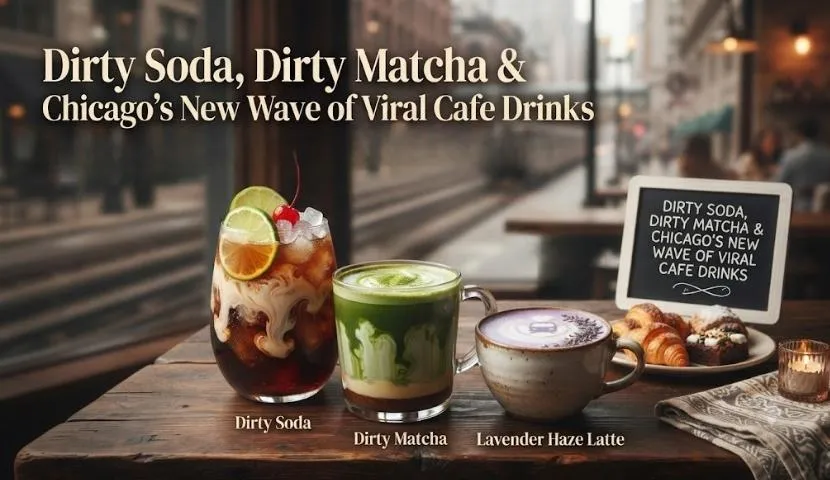
If your For You Page has looked especially green and fizzy lately, you're not imagining things. Matcha and dirty sodas have both become highly visible beverage trends, and their influence is starting to show up in the same world of colorful, customizable cafe drinks.
So what exactly is going on, why are people suddenly so interested, and what does it mean for Chicago’s cafe scene? Let’s break it down.
What Is a "Dirty Soda," Anyway?
A dirty soda is typically a soda mixed with ingredients such as flavored syrup, cream, fruit flavors, or other add-ins. The modern trend builds on the long tradition of customized soda-fountain drinks but gives the idea a highly visual, social-media-friendly twist.
Think cola or lemon-lime soda paired with sweet cream, coconut, lime, fruit syrup, or another flavor combination.
Dirty sodas gained major attention through TikTok and other social platforms before expanding beyond specialty soda shops into the broader beverage world.
For cafes, the appeal is easy to understand. These drinks are colorful, customizable, and give customers something different from a traditional espresso-based menu.
Enter: Dirty Matcha
Matcha has grown from a specialty tea option into a major cafe-menu category.
Its bright green color makes it naturally photogenic, while its distinctive earthy flavor gives cafes plenty of room to experiment with fruit, milk, cream, syrups, and espresso.
One popular variation is the dirty matcha.
A dirty matcha generally combines matcha with espresso, often served with milk and ice. The result brings together the vegetal, slightly earthy character of matcha with the roasted intensity of coffee.
It also has exactly the kind of visual contrast that performs well on social media: green matcha, dark espresso, milk, foam, and layered colors all in one glass.
At the same time, cafes are experimenting with drinks that borrow ideas from both matcha culture and the broader dirty-soda trend.
That can include:
● Sparkling matcha drinks
● Fruit-forward matcha refreshers
● Matcha mixed with flavored foams
● Matcha and espresso combinations
● Matcha drinks with botanical or citrus flavors
● Creamy, layered iced matcha drinks
Rather than being one clearly defined drink category, these beverages are part of a bigger movement toward playful, customizable cafe drinks.
Why These Drinks Are Getting So Much Attention
Viral drinks come and go, but several parts of this trend reflect broader changes in the way people order beverages.
Cafes Are Expanding Beyond Espresso
Coffee will remain at the heart of many cafes, but customers increasingly expect more variety.
Matcha, tea, refreshers, specialty sodas, botanical drinks, and other non-coffee beverages give cafes more ways to serve people who may not want an espresso drink every time they visit.
They also give baristas more room for seasonal experimentation.
Customization Is Part of the Experience
Both dirty sodas and modern matcha drinks are highly customizable.
Customers can often adjust things such as:
● Milk choice
● Sweetness
● Syrups
● Fruit flavors
● Cream or foam
● Espresso
● Matcha strength
● Ice
● Toppings
That flexibility fits naturally with how many people want to order today.
Instead of choosing only from a fixed list, customers increasingly enjoy creating a drink that feels personal.
These Drinks Look Good on Camera
Visual presentation has become an important part of modern cafe culture.
A layered matcha drink can have bright green tea, espresso, milk, fruit puree, cold foam, or cream sitting in visibly different layers.
Dirty sodas can be just as colorful.
That makes these drinks naturally suited to TikTok, Instagram Reels, and other visual platforms.
A customer may discover a drink online before ever seeing it on a physical menu.
That doesn't mean flavor stops mattering. But presentation can help turn an unfamiliar drink into something people are curious enough to try.
Matcha Gives Cafes Plenty of Room to Experiment
Matcha works with a surprisingly wide range of flavors.
Common pairings include:
● Strawberry
● Yuzu
● Mango
● Coconut
● Vanilla
● Pistachio
● Lavender
● Honey
● Citrus
● Brown sugar
Some cafes keep things simple with traditional matcha lattes, while others use matcha as the base for more experimental seasonal drinks.
The result is a category that can feel traditional and modern at the same time.
Is Dirty Matcha the Same as Dirty Soda?
No.
The names sound similar, but the drinks are different.
A dirty soda usually starts with soda and adds ingredients such as cream, syrup, fruit, or flavored mix-ins.
A dirty matcha usually starts with matcha and includes espresso.
The overlap comes from the broader style of the drinks rather than from one exact recipe.
Both trends emphasize:
● Customization
● Layered flavors
● Eye-catching presentation
● Creative combinations
● Social-media appeal
Newer cafe drinks sometimes borrow ideas from both categories, especially when matcha is combined with sparkling water, fruit flavors, foam, or soda-inspired ingredients.
What About the Caffeine?
Matcha naturally contains caffeine.
Espresso contains caffeine too.
That means a dirty matcha can be a fairly caffeinated drink because it includes both sources.
The exact amount varies based on the amount of matcha, number of espresso shots, serving size, and recipe.
Matcha also naturally contains L-theanine, an amino acid that has been studied in combination with caffeine for its effects on attention and alertness.
That doesn't mean everyone will experience matcha the same way. Caffeine affects people differently, so customers who are sensitive to caffeine should pay attention to serving size and preparation.
Is Matcha Healthier Than Coffee?
There isn't a simple answer.
Both matcha and coffee contain naturally occurring compounds that have been studied for potential health effects.
Matcha is known for containing catechins and other antioxidants, while coffee also contains antioxidants and has been widely studied.
But the nutrition of a cafe drink depends on more than the base ingredient.
Added syrups, cream, sweetened milk, toppings, and serving size can significantly change the overall drink.
So instead of asking whether matcha is universally "healthier" than coffee, it makes more sense to think about personal preference, caffeine tolerance, ingredients, and how the drink is prepared.
Why Chicago Is a Natural Fit for Experimental Drinks
Chicago has a long history of taking food and beverage ideas from different cultures and giving them a local identity.
The city's cafe scene includes traditional coffee shops, specialty roasters, bakeries, tea shops, international cafes, and neighborhood businesses experimenting with flavors from around the world.
That makes Chicago a natural place for drinks like dirty matcha, fruit matcha, specialty sodas, and botanical refreshers to find an audience.
Customers here are already used to menus influenced by a wide range of culinary traditions.
A drink combining matcha, espresso, fruit, cream, or sparkling elements doesn't feel completely out of place. It feels like another example of how quickly modern cafe culture is evolving.
Is This Just Another TikTok Trend?
Partly.
Social media clearly plays a major role in how these drinks spread.
But the larger movement is about more than one viral recipe.
Customers are showing interest in:
● More beverage choices
● Customizable drinks
● Cold and iced beverages
● Global flavor combinations
● Matcha
● Fruit-forward drinks
● Visually interesting presentations
● Alternatives to traditional espresso drinks
Those preferences are bigger than any single viral drink.
The exact recipes will probably change.
Today's dirty matcha may eventually give way to another colorful combination.
But the demand for playful, personalized cafe drinks seems much more likely to stick around.
What Chicago Cafe Customers Can Expect Next
The next wave of cafe menus will probably continue blending categories that used to feel separate.
Coffee, tea, soda, fruit drinks, botanical beverages, and dessert-inspired drinks are increasingly sharing the same menu.
Instead of thinking only in terms of "coffee versus tea," cafes can experiment with drinks that combine several traditions at once.
That may mean more:
● Sparkling tea drinks
● Fruit matcha
● Espresso and matcha combinations
● Botanical cold drinks
● Specialty foams
● Seasonal sodas
● Globally inspired flavors
● Highly customizable iced drinks
For customers, that means more opportunities to try something unfamiliar without giving up the familiar cafe experience.
The next drink you discover at a Chicago cafe might be coffee, tea, soda, or a little bit of all three.
FAQs About Working From Serai Cafe & Deli
What is a dirty matcha?
A dirty matcha is generally a drink that combines matcha with espresso. It may also include milk, ice, sweetener, cream, or other ingredients depending on the cafe's recipe.
What is a dirty soda?
A dirty soda is a soda customized with ingredients such as flavored syrup, cream, fruit, citrus, or other mix-ins.
What's the difference between dirty soda and dirty matcha?
A dirty soda usually has a soda base, while a dirty matcha generally combines matcha and espresso. They are separate drink styles, although newer cafe drinks sometimes borrow ideas from both.
Does dirty matcha contain caffeine?
Yes. Matcha contains caffeine, and espresso contains caffeine as well. A dirty matcha therefore gets caffeine from both ingredients. The exact amount depends on the recipe and serving size.
Does dirty matcha have more caffeine than coffee?
It can, but not always. Caffeine levels depend on how much matcha and espresso are used and what type of coffee drink you're comparing it with.
What does dirty matcha taste like?
Matcha has an earthy, vegetal flavor, while espresso adds roasted and sometimes bitter notes. Milk, sweeteners, fruit, or flavored foam can make the drink smoother or sweeter.
Is matcha healthier than coffee?
Neither is automatically healthier. Both contain naturally occurring antioxidants and caffeine. The overall nutrition of the drink also depends on milk, sweeteners, syrups, cream, and serving size.
Why is matcha so popular in cafes?
Matcha offers a distinctive flavor, bright green color, caffeine, and plenty of opportunities for customization. It also works well with fruit, milk, espresso, botanical flavors, and iced drinks.
Are dirty sodas popular in Chicago?
Dirty soda has become increasingly visible in Chicago as part of the larger national trend, including dedicated soda concepts and cafes experimenting with highly customizable non-coffee drinks.
Where can I find dirty matcha in Chicago?
Some Chicago cafes offer dirty matcha or similar matcha-and-espresso drinks. Because menus change frequently, check the cafe's current menu or social media before visiting.
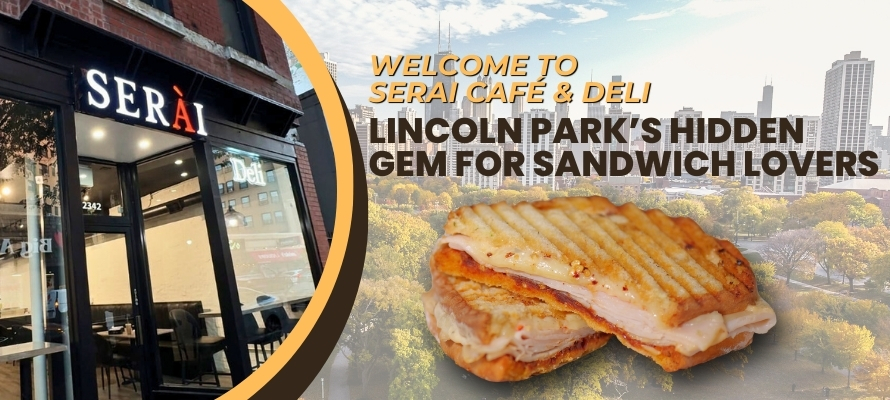
Welcome to Serai Café & Deli — Lincoln Park’s Hidden Gem for Sandwich Lovers
Lincoln Park is filled with trendy cafés and brunch spots, but few capture the comforting simplicity of a classic deli done right.

Host Parties & Hangouts at Serai Cafe | Lincoln Park’s Favorite Spot
Looking for a new spot in Lincoln Park to host your next party, hang out with friends, or celebrate life’s little wins?
Where to find the best hot coffee in Lincoln Park: Serai Café & Deli
New to the lively Lincoln Park neighborhood at 2342 N Clark St, Serai Café & Deli blends deli classics with a café culture that’s all about quality coffee and approachable comfort.
A Cozy Chicago Spot Worth Discovering: Why Serai Cafe & Deli Is Becoming Lincoln Park’s New Favorite Hangout
Right in the heart of Lincoln Park—steps from DePaul University, Oz Park, and the energy of Chicago’s North Side—there’s a café that feels a little different. Serai Cafe & Deli blends








Copyright © 2025 | Serai Cafe & Deli | Powered by Chicago Tech Solution