

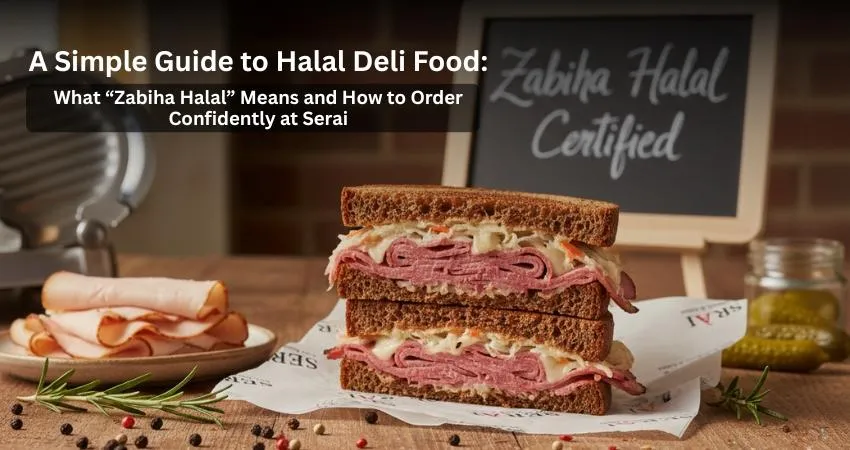
A Simple Guide to Halal Deli Food: What “Zabiha Halal” Means and How to Order Confidently at Serai
If you’ve ever walked into a deli or café and seen the word “halal” on the menu, you might have wondered what it means in real-life terms. Is it a type of cuisine? A specific ingredient? A certain way meat is prepared? And what does “Zabiha Halal” mean compared to “halal” more generally?
At Serai Cafe & Deli, we meet guests who already know exactly what they’re looking for—and guests who are curious but don’t want to feel awkward asking. This guide is here to make it simple. You’ll learn the basics of halal deli food, what “Zabiha” refers to, and an easy, no-stress way to order a meal that fits your preferences.
What Does “Halal” Mean?
Halal is an Arabic word that means permissible. In food, it refers to items that meet Islamic dietary guidelines. People choose halal food for many reasons: religious practice, personal values, or preference for how food is sourced and prepared.
In a deli setting, the question usually comes down to meat and how it’s handled. Many foods can be naturally halal (like vegetables, bread, and most dairy), but meat has specific guidelines.
What Does “Zabiha Halal” Mean?
“Zabiha” refers to a specific method of Islamic animal slaughter performed according to required guidelines. When people say “Zabiha Halal,” they usually mean the meat is halal and slaughtered in the prescribed manner (not just “no pork” or “halal-friendly”).
Different communities may use the term differently, but as a practical rule of thumb:
Halal describes whether something is permissible under Islamic dietary rules.
Zabiha halal usually emphasizes the slaughter method for meat.
If Zabiha is important to you, the best experience comes from choosing a restaurant that clearly identifies its halal practices and can answer questions comfortably.
Quick Glossary: Common Terms You Might See
Here’s a simple reference that helps when reading menus or asking questions:
| Term | Plain-English Meaning | Why it matters when ordering |
|---|---|---|
| Halal | Permissible under Islamic dietary rules | Often relates to meat sourcing/handling |
| Zabiha | Halal slaughter method | Important for guests who look for Zabiha specifically |
| Haram | Not permissible | Helps clarify what you avoid |
| Cross-contact | Food touching shared surfaces/oil | Relevant if you’re strict or have allergies |
What Halal Means at a Deli or Café
At a halal deli, you’ll usually see it show up in the sandwiches, paninis, wraps, and protein choices. For many guests, halal is about feeling confident that the meal matches their values without having to “guess.”
A few practical things that matter at cafés:
Perfect for Work, Catch-Ups, and Casual Meetups
Serai Café & Deli fits into everyday life easily.
People stop by for: - Morning coffee before work - Lunch breaks - Casual meetings - Catching up with friends - Quiet solo time
The relaxed environment and dependable menu make it easy to choose Serai, no matter the occasion.
What Locals Say About Serai Café & Deli
Meat sourcing and labeling (especially for chicken, beef, turkey, lamb)
Pork-free kitchens (common in halal-focused spots)
Shared cooking surfaces (grills, toaster presses, fryers)
Ingredient details (certain sauces or add-ons)
How to Order Confidently at Serai (Without Overthinking)
A simple ordering approach works well for first-time guests, especially if you’re balancing dietary preferences with taste.
Step 1: Pick your format
Choose what sounds easiest:
Sandwich/sub for a classic deli feel
Panini if you like warm and pressed
Salad bowl if you want lighter
Step 2: Choose your protein (or go vegetarian)
If you eat halal meat, pick the protein you enjoy most. If you’re vegetarian, you can still build a filling meal with vegetables, cheese (if you eat dairy), and hearty add-ons.
Step 3: Choose your flavor profile
Instead of trying to decode every ingredient, choose a direction:
Savory and hearty (great for lunch)
Fresh and bright (lighter, crisp flavors)
Warm and melty (comfort-food feel)
Step 4: Ask one clear question if needed
If “Zabiha halal” is essential for you, a simple question is enough:
“Is the meat Zabiha halal?”
If you’re also concerned about shared surfaces, you can ask:
“Is it cooked on a shared grill or pressed separately?”
This keeps the conversation simple and respectful.
FAQ's About Halal and Zabiha at Serai
People often ask whether halal food is a specific cuisine.
It isn’t. “Halal” describes dietary guidelines, not a single flavor style. A halal café can serve deli classics, coffee drinks, and familiar lunch items—just prepared in a way that fits halal requirements.
Another common question is whether “Zabiha halal” matters if something is labeled halal.
For some guests, “halal” is enough. For others, Zabiha is the key detail because it refers to slaughter method. If it matters to you, the best practice is to ask directly and order with clarity instead of guessing.
Guests also wonder if they should avoid eating out due to cross-contact concerns.
That depends on personal comfort and how strict you are. If you have a strict requirement (or an allergy), it’s reasonable to ask how food is prepared, whether grills or fryers are shared, and whether ingredients can be adjusted. A calm question up front usually leads to a better experience.
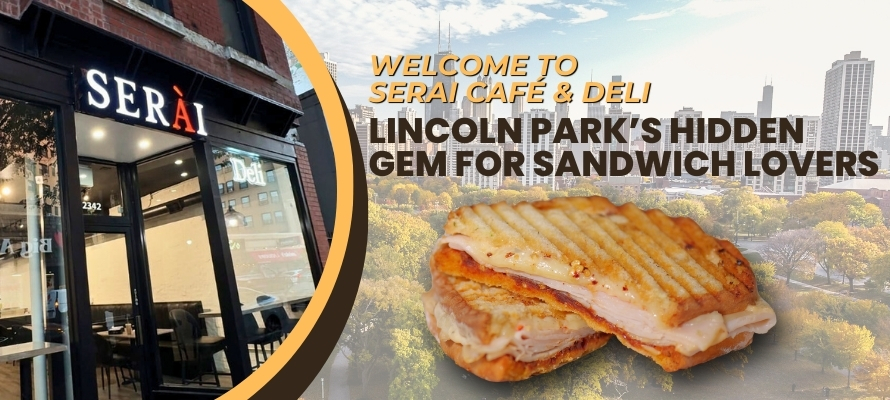
Welcome to Serai Café & Deli — Lincoln Park’s Hidden Gem for Sandwich Lovers
Lincoln Park is filled with trendy cafés and brunch spots, but few capture the comforting simplicity of a classic deli done right.

Host Parties & Hangouts at Serai Cafe | Lincoln Park’s Favorite Spot
Looking for a new spot in Lincoln Park to host your next party, hang out with friends, or celebrate life’s little wins?

Where to find the best hot coffee in Lincoln Park: Serai Café & Deli
New to the lively Lincoln Park neighborhood at 2342 N Clark St, Serai Café & Deli blends deli classics with a café culture that’s all about quality coffee and approachable comfort.

A Cozy Chicago Spot Worth Discovering: Why Serai Cafe & Deli Is Becoming Lincoln Park’s New Favorite Hangout
Right in the heart of Lincoln Park—steps from DePaul University, Oz Park, and the energy of Chicago’s North Side—there’s a café that feels a little different. Serai Cafe & Deli blends








Copyright © 2025 | Serai Cafe & Deli | Powered by Chicago Tech Solution